A Plus Teacher: A Designer's Take on School-Themed Embroidery
As someone who spends more time at the hoop than away from it, I approach every new machine embroidery design with a mix of curiosity and caution. We've all been there: you download a file that looks crisp on the screen, only to find out it's a nightmare of pull compensation or impossible detail once the needle hits the fabric. That is why I took a close look at the A Plus Teacher graphic set before committing it to any client work or personal projects. This isn't just about whether the image is cute; it is about whether it functions as a viable embroidery project for real-world applications.
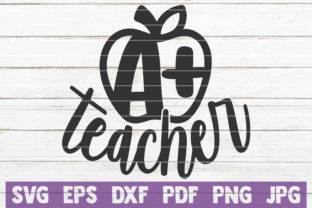
The first thing that strikes me about A Plus Teacher is its versatility within the Crafts and Graphics categories. The download package is robust, including DXF, PDF, SVG, PNG (300ppi with transparent background), JPG, and EPS files. For an embroidery designer, this variety is crucial. While the SVG and DXF files are what I would typically import into digitizing software to create a true stitch file, the high-resolution PNG and EPS options are fantastic for creating printable mockups or marketing materials before a single thread is spun. The visual personality of the design feels classic and celebratory, capturing that end-of-year pride without relying on overly trendy fonts that might date quickly.
Visualizing the Finished Product in Real Scenarios
To truly evaluate a design, I have to imagine it stitched out. Picture this: a local elementary school is holding a recognition ceremony, and a parent wants a custom gift for their child's favorite educator. They bring me a navy blue canvas tote bag. This is where A Plus Teacher shines. The bold shapes and clear thematic elements translate beautifully to a medium-weight fabric. If I were to digitize this SVG into a fill stitch and satin stitch combination, the result would be a clean, professional finished product that holds up to daily use.
Beyond tote bags, I can see this working exceptionally well on sweatshirt embroidery projects. Imagine a heather grey crewneck with the design centered on the chest. The simplicity of the concept allows the texture of the fleece to complement the stitching rather than fighting against it. For Etsy sellers looking to expand their small shop product lines, this design could easily become a staple for May and June inventory. It fits perfectly into the niche of personalized gift items, appealing to grandparents, parents, and students alike.
However, the application isn't limited to apparel. I am also considering how this would look as an embroidered patch. By digitizing the outline as a merrow border or a tight satin column, A Plus Teacher could become a collectible item for teachers to pin onto lanyards or bulletin boards. This adds a layer of value to the handmade product, transforming a simple graphic into a wearable badge of honor.
Technical Considerations and Fabric Challenges
While the potential is high, a responsible designer must address the limitations. The source files provided are graphics, not pre-digitized stitch files. This means the responsibility for stitch density, underlay, and pull compensation falls entirely on you. If you are planning to use this on stretchy fabrics like jersey knits for baby embroidery projects, you must be vigilant. Without proper stabilization and a well-thought-out digitizing strategy, the sharp corners of the "A" or the details in the apple motif could pucker or distort.
I would advise caution when placing this design on textured fabrics like heavy waffle weaves or looped towels. The fine details might get lost if the thread colors do not contrast sufficiently with the fabric texture. Similarly, if you intend to place this on a curved surface like a cap, the layout needs significant adjustment. What looks flat and balanced on a screen can look warped when stitched over a six-panel structure. Always test your digitized version on a scrap piece of the actual garment first.
Another critical factor is the hoop size. Depending on how you scale the design during the digitizing process, you need to ensure it fits within your machine's capabilities. If you shrink it too much for a small pocket logo, the tiny lettering or intricate lines may become unrecognizable blobs of thread. Conversely, scaling it too large for a back-of-shirt design might require excessive run times and thread consumption, which eats into your profit margin as a craft business owner.
Enhancing Brand Value and Customer Trust
In the world of commercial embroidery, consistency is key. Using a high-quality source graphic like A Plus Teacher ensures that your branding remains sharp across different mediums. Whether you are selling digital assets or physical goods, the clarity of the original vector (SVG/EPS) allows for infinite scalability without pixelation. This professionalism builds customer trust. When a buyer receives a custom apparel item where the design is crisp and well-executed, they associate that quality with your brand.
For those creating holiday embroidery or end-of-school-year gifts, the emotional resonance of the design matters. Teachers often keep these items for years. A design that is too dense might crack or wash poorly, leading to disappointment. By carefully selecting your stabilizer and optimizing the stitch types—perhaps using a running stitch for delicate internal details and satin for the borders—you ensure longevity. This attention to detail turns a one-time purchase into a repeat customer relationship.
Practical Notes for the Studio
Before you start stitching, here are my top recommendations for working with this asset:
- Test on Scraps: Never run a new digitization on a final garment without testing on a similar weight scrap fabric first.
- Check Contrast: Review your design in black and white mockups to ensure the shapes remain distinct without relying solely on color.
- Verify Licensing: Although the file includes multiple formats for broad use, always confirm the specific license terms regarding commercial embroidery and resale of finished items before listing products on Etsy or in boutiques.
- Stabilizer Selection: Match your stabilizer to the fabric. Cut-away is usually best for knits to prevent distortion over time, while tear-away works for stable wovens.
- Thread Choice: High-sheen rayon or durable polyester threads can change the look of the design. Test both to see which matches the "school" aesthetic you want to convey.
Ultimately, A Plus Teacher is a strong contender for your design library. It offers the flexibility needed for a wide range of design assets, from nursery decor to boutique merchandise. However, its success relies heavily on the skill of the digitizer and the care taken during the stitching process. By treating the graphic as a foundation rather than a final solution, you can create stunning, durable items that teachers will cherish. Whether you are a hobbyist making a gift for a neighbor or an Etsy seller stocking up for the spring rush, this design provides the solid groundwork needed for a successful embroidery file conversion and a beautiful final result.