I Can't I'm in Nursing School: A Designer's Review
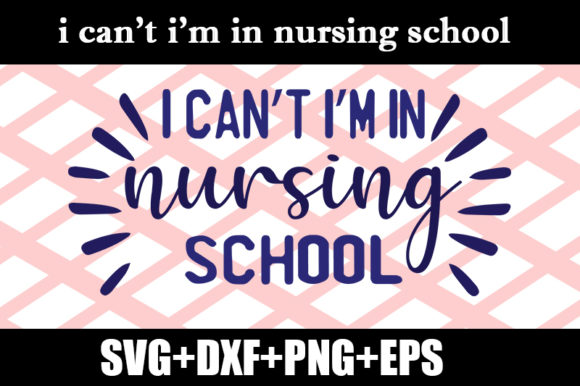
As someone who spends hours hunched over an embroidery machine, tweaking tension and swapping bobbins, I approach every new machine embroidery design with a mix of excitement and skepticism. We've all been there: you buy a cute file, load it up, and suddenly realize the lettering is too tight for your thread or the density is going to turn your soft cotton into a cardboard coaster. That is why I took a close look at the I Can t I m in Nursing School graphic before committing it to a real project. This isn't just about whether it looks good on a screen; it is about how it performs as a finished product in the hands of a customer.
The first thing that strikes me about this design is its mood. It captures that specific, exhausted-but-determined energy that defines the nursing student experience. It is relatable, slightly humorous, and instantly recognizable to anyone in the medical field. Visually, the layout feels balanced, with a typography style that suggests a casual, hand-lettered vibe rather than a rigid, corporate font. For those of us selling handmade products, this personality is gold. It doesn't feel like stock art; it feels like something a friend would say while chugging coffee at 3 AM during finals week.
Real-World Application: The Tote Bag Test
To truly evaluate this embroidery file, I imagined a specific scenario: creating a custom gift for a friend who just started her clinical rotations. She needs something durable but stylish to carry her stethoscope, notebooks, and snacks. A canvas tote bag design seemed like the perfect candidate. When visualizing I Can t I m in Nursing School on a natural-colored canvas tote, the contrast works beautifully. The text is large enough to be readable from a distance but compact enough to sit centrally on the bag without overwhelming the fabric.
If I were stitching this for a client, I would lean towards a satin stitch for the lettering to give it a premium, raised texture that catches the light. However, depending on the specific conversion from the provided SVG or EPS files, a clean fill stitch might be necessary for larger blocks if the design includes graphical elements beyond just text. The key here is versatility. This design fits naturally into custom apparel like sweatshirts, where a cozy, slightly oversized look complements the "tired student" theme. It would also work exceptionally well as an embroidered patch that can be ironed onto a lab coat or scrub cap, adding a layer of personalization that strict hospital dress codes might otherwise forbid.
Technical Considerations for Stitching
While the aesthetic appeal is high, a professional designer must look under the hood. Since the source files include SVG, DXF, EPS, and PNG, we are starting with vector-based design assets rather than a pre-digitized stitch file. This is a crucial distinction. It means you have the freedom to digitize it yourself or send it to your preferred digitizer, ensuring the stitch density matches your specific machine and fabric combination.
When preparing this for sweatshirt embroidery, you need to be mindful of the fabric texture. Fleece and french terry can swallow small details. If the apostrophes in "Can't" or "I'm" are too tiny, they might get lost or cause bird nesting. My advice is to test the design on scrap fabric first. Check the spacing between letters. If you are using a running stitch for a sketchy, hand-drawn effect, ensure the stitches are short enough to prevent looping on stretchy materials. For darker fabrics, you will need to verify that your thread colors provide enough pop. A white or light grey thread on navy blue scrubs looks classic, but don't be afraid to try school colors for a boutique touch.
Another critical factor is the hoop size. While the design appears compact, always measure the final dimensions after scaling. If you plan to put this on a baby onesie for a "future nurse" gift, you may need to shrink it significantly. In that case, simplify the details. Tiny text on a baby embroidery project can become scratchy and uncomfortable if the density is too high. Always use a proper stabilizer; for knits and stretchy caps, a cut-away stabilizer is non-negotiable to prevent distortion after washing.
Commercial Viability and Brand Trust
For Etsy sellers and small shop owners, the value of a design lies in its ability to sell. The phrase I Can t I m in Nursing School targets a very specific niche with high emotional investment. Nursing students love merch that validates their struggle. Using this graphic in your craft business can help build brand consistency if you specialize in medical or educational themes. It works well for holiday embroidery gifts, graduation presents, or even self-care packages for stressed students.
However, professionalism is key. A sloppy stitch-out can damage your reputation. Before listing this as a small shop product, inspect the finished item closely. Are the corners sharp? Is the backing clean? Does it look professional enough to justify the price point? Customers trust handmade items because they expect higher quality than mass-produced goods. If the lettering looks jagged or the fabric puckers, it undermines that trust. Take the time to create high-quality printable mockups for your listings, showing the design on various items like aprons, pillow covers, or tea towels to help buyers visualize the end result.
Final Verdict for Designers
The I Can t I m in Nursing School graphic is a strong contender for your library of Crafts and Graphics. Its strength lies in its relatability and clean layout, which translates well across different mediums. Whether you are making a personalized gift for a family member or producing inventory for a craft fair, this design offers a solid foundation. Just remember that the provided formats (SVG, DXF, EPS, PNG) require you to handle the digitization or conversion process. Confirm licensing terms before selling finished items or digital products, as rules vary by creator.
Ultimately, this design succeeds because it tells a story. It connects with the wearer on a human level. When executed with care—paying attention to thread choice, stabilizer, and fabric compatibility—it becomes more than just stitches on cloth. It becomes a badge of honor for someone working hard to save lives. That kind of emotional resonance is what turns a one-time buyer into a loyal customer for your commercial embroidery business.