Retro Illustrations: A Designer’s Embroidery Review
As an embroidery designer who has spent years digitizing and testing designs for real-world application, I approach every new machine embroidery design with a critical eye. It is not enough for a graphic to look good on a screen; it must translate flawlessly into thread. Recently, I evaluated the Retro Illustrations set, a collection that taps into the nostalgic aesthetic of the late 20th century. This review breaks down how these graphics perform in actual stitching scenarios, offering practical insights for craft business owners, Etsy sellers, and hobbyists looking to elevate their handmade products.
First Impressions: Capturing the Groovy Vibe
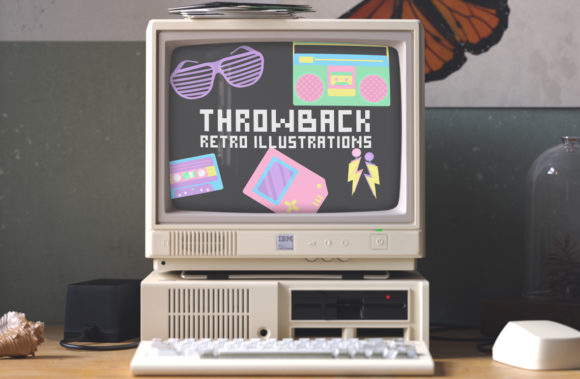
The moment I opened the Retro Illustrations files, the mood was unmistakable. The set features six distinct illustrations of old-school items, including a boom box, a cassette tape, and a Gameboy. These are not just generic icons; they carry a specific visual personality that resonates with current trends in vintage-inspired decor and apparel. For a designer, the appeal lies in the balance between recognizable silhouettes and manageable detail levels. The shapes are bold enough to read clearly from a distance, which is crucial for items like tote bags or sweatshirts, yet they retain enough character to feel authentic rather than cartoonish.
When considering these as design assets for a small shop product, the thematic consistency is a major plus. Whether you are targeting millennials who grew up with these items or younger customers who appreciate the retro aesthetic, the visual language is universal. The layout of each illustration feels intentional, avoiding unnecessary clutter that often plagues lower-quality digital embroidery files. This clarity suggests that the digitizer understood the limitations of thread, prioritizing clean lines over excessive complexity.
Real-World Application: From Concept to Finished Product
To truly test the viability of Retro Illustrations, I imagined a specific project: a custom embroidered tote bag for a local music festival vendor. Tote bags are a staple for any craft business, and a boom box or cassette tape design fits perfectly with the creative, artistic crowd. In this scenario, the design needs to withstand frequent handling and washing while maintaining its visual impact.
I also considered using the Gameboy illustration for a personalized gift, such as a baby onesie or a child’s backpack. Here, the scale becomes critical. The design’s ability to shrink down without losing definition determines its versatility. For baby embroidery, softness and simplicity are key. If the stitch density is too high, the fabric can pucker, ruining the comfort and look of the garment. Based on the visual structure of these illustrations, they appear well-suited for medium-weight fabrics, provided the right stabilizer is used.
For Etsy sellers and boutique owners, these graphics offer excellent potential for commercial embroidery projects. They work well on sweatshirt embroidery, where a larger hoop size allows the details of the boom box speakers or the buttons on the Gameboy to shine. The retro theme also lends itself beautifully to holiday embroidery, particularly for gifts aimed at gamers or music lovers. By incorporating these into your finished product lineup, you add a layer of nostalgia that can significantly boost buyer engagement and perceived value.
Technical Considerations and Stitching Performance
While the aesthetic appeal is strong, the technical execution is where many designs fail. When working with Retro Illustrations, attention must be paid to stitch types. Bold areas, such as the body of the cassette tape, likely utilize fill stitches to create solid color blocks. It is essential to check the stitch density in your embroidery software before loading the file onto your machine. High-density fills on stretchy fabrics, like jersey knits for t-shirts, can cause distortion. Using a cut-away stabilizer is highly recommended to support the fabric and prevent puckering.
Smaller details, such as the screen of the Gameboy or the labels on the cassette, may rely on satin stitches or running stitches. Satin stitches provide a smooth, shiny finish but can snag if they are too long or exposed. On textured fabrics, such as canvas tote bags or denim jackets, these stitches need to be dense enough to cover the weave but not so dense that they create a stiff, cardboard-like feel. I advise testing the design on scrap fabric first, ideally in the same material you plan to use for the final product. This step allows you to adjust tension and thread colors to ensure optimal clarity.
Another critical factor is color contrast. Retro designs often rely on specific palettes to evoke the era. However, when translating to thread, you must ensure that adjacent colors have enough contrast to distinguish the shapes. For example, if stitching a boom box on a dark fabric, using light thread colors for highlights can make the design pop. Conversely, on light fabrics, darker threads will define the edges. Always test your thread colors in both light and dark backgrounds to see how the design reads. Creating black and white mockups can also help identify areas where detail might get lost due to low contrast.
Navigating Challenges: Where to Use Caution
Not every surface is ideal for every design. While Retro Illustrations are versatile, there are situations where caution is needed. Curved surfaces, such as caps or hats, present a challenge for larger, flat designs. The boom box illustration, for instance, might distort if stitched on a highly curved panel without proper hooping technique and stabilizer support. In such cases, consider resizing the design to fit the available space comfortably, or opt for simpler elements like the cassette tape which has a more compact footprint.
Thin or delicate fabrics also require careful handling. If you are creating a lightweight summer top or a sheer curtain, the weight of the embroidery could pull the fabric out of shape. In these instances, an applique design approach might be better, though this set appears to be standard embroidery. If using standard stitches, ensure you use a lightweight stabilizer and possibly a topping to keep the stitches from sinking into the fabric texture. Additionally, avoid placing dense stitch areas near seams or hems, as this can interfere with the garment’s construction and comfort.
For items that will undergo frequent washing, such as kitchen towels or children’s clothes, the durability of the stitches is paramount. Ensure that your machine is properly maintained and that you are using high-quality threads to prevent breaking or fading. Check the licensing terms of the digital embroidery file before selling finished items. Most designers allow commercial use for physical products, but restrictions may apply to digital resale or mass production. Confirming these details protects your craft business and ensures professional integrity.
Enhancing Brand Value and Customer Trust
Incorporating well-executed designs like Retro Illustrations into your product line does more than just add visual interest; it builds brand consistency and trust. Customers associate high-quality embroidery with professionalism and care. When a handmade product features clean, crisp stitching with no loose threads or puckering, it signals that the maker values quality. This attention to detail encourages repeat business and positive reviews, which are vital for any small shop product or online store.
Furthermore, these graphics serve as excellent printable mockup elements for marketing. Before even stitching, you can showcase the designs on digital previews of tote bags, shirts, or patches. This helps customers visualize the final product and increases conversion rates. The nostalgic appeal of the boom box and Gameboy can trigger emotional responses, making the items more giftable and shareable on social media. For creative entrepreneurs, leveraging this emotional connection can differentiate your brand in a crowded market.
Ultimately, Retro Illustrations offers a solid foundation for various embroidery projects. From custom apparel to home decor, these graphics provide a blend of style and functionality. By understanding the technical requirements and applying best practices in stitching and fabric selection, you can create stunning, durable products that resonate with customers. Whether you are an experienced decorator or a hobbyist expanding your skills, this set deserves a place in your library of trusted design resources.