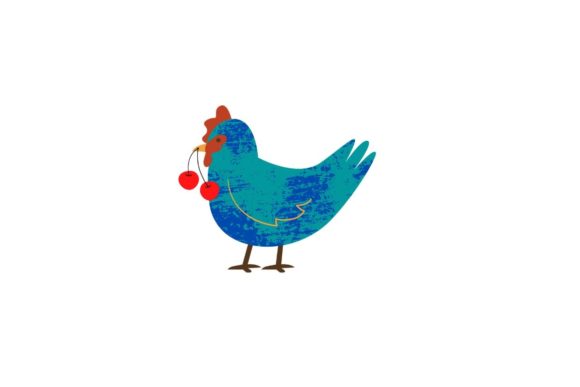
Reviewing Blue Hen with Cherry Craft for Embroidery
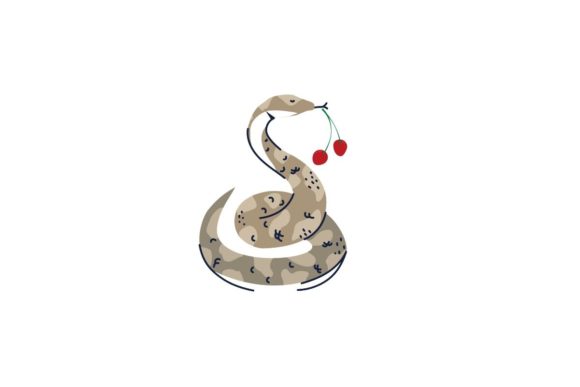
As a designer who spends more time staring at stitch simulations than I care to admit, I have learned that not every cute graphic translates well to thread. We have all been there: you find a charming digital asset, imagine it perfectly centered on a linen tote, and then watch in horror as the machine turns your vision into a puckered mess of tangled bobbin thread. This is why I approach new assets with a critical eye. Recently, I evaluated Blue Hen with Cherry Craft, a graphic set marketed toward crafters, POD designers, and scrapbookers. My goal was not just to look at it on a screen, but to determine if it holds up under the needle.
The first impression of this design is undeniably cheerful. The combination of a hen and cherries creates a rustic, farmhouse aesthetic that remains popular in home decor and apparel. However, visual appeal on a monitor is only half the battle. For us embroidery professionals, the real question is how these shapes convert to stitches. Does the curvature of the cherry allow for smooth satin stitching? Is the hen’s silhouette complex enough to require excessive trimming, or simple enough for a clean fill? These are the details that separate a amateur-looking finished product from a professional-grade item.
Real-World Application: The Tote Bag Test
To truly understand the value of Blue Hen with Cherry Craft, I imagined a specific client project. A local boutique owner wanted a line of reusable market bags featuring whimsical, nature-inspired motifs. She needed something that would appeal to young families and eco-conscious shoppers. This design fit the brief perfectly in terms of theme. The playful nature of the hen suggests warmth and homeliness, while the cherries add a pop of color that draws the eye.
When considering this for a tote bag design, fabric texture becomes crucial. Canvas is sturdy, but it can be unforgiving if the stitch density is too high. If this graphic were converted into a machine embroidery design without proper digitizing adjustments, the dense areas of the hen’s body could cause the fabric to pucker. In my assessment, this image works best when simplified. For a handmade product like a tote, clarity is key. Customers want to recognize the subject from a distance. The bold outlines typical of this style of graphics usually translate well to applique design techniques, where a piece of fabric is cut to shape and stitched down, reducing bulk and adding texture.
Versatility Across Product Lines
Beyond totes, where else does this asset shine? I see strong potential in sweatshirt embroidery. A crewneck sweatshirt provides a large, stable canvas. Placing the hen centrally on the chest or larger on the back allows for detailed stitch work. Here, you can utilize a mix of satin stitch for the cherries’ stems and leaves, and a textured fill stitch for the hen’s feathers. This variation in stitch type adds depth and makes the custom apparel feel premium.
For baby embroidery, such as onesies or burp cloths, scale is everything. You must ensure the design is resized appropriately. Tiny details can get lost or become scratchy if the stitches are too dense for sensitive skin. If you are creating a personalized gift for a newborn, consider simplifying the design further or using softer thread colors. Pastel blues and soft reds can transform the mood from bold and rustic to gentle and nursery-appropriate.
I also considered its use for an embroidered patch. Patches are trending heavily among Etsy sellers and small shop owners. Because patches are often removed from the hoop and applied later, you can use heavier stabilizer and denser stitching without worrying about garment distortion. Blue Hen with Cherry Craft has the self-contained composition ideal for a circular or oval patch shape. It stands alone well without needing additional background elements.
Technical Considerations and Pitfalls
While the aesthetic is strong, there are areas where caution is required. The product description notes that you receive PNG, SVG, and high-resolution files. It is vital to understand that these are graphics, not native embroidery files. You cannot simply load an SVG into your embroidery machine. You must use digitizing software to convert the vector paths into stitch data. This is a common misconception among new craft business owners.
When digitizing this specific image, pay close attention to the corners and intersections. The junction where the cherry stem meets the fruit, or where the hen’s wing overlaps its body, requires careful planning. Poorly planned jump stitches or excessive trim points can weaken the design. Additionally, if you are stitching on dark fabric, you must plan for underlay stitches. A white or light-colored hen will look muddy if stitched directly onto navy blue cotton without a proper foundation.
Another critical factor is hoop size. Ensure your design fits within your standard hoops, typically 4x4 or 5x7 inches. If you plan to use this for holiday embroidery on kitchen towels, a smaller hoop might be necessary. Always test the design on scrap fabric first. Check the thread color contrast. Sometimes, what looks distinct on screen blends together in thread. For instance, if the hen is blue and the background is denim, you may need to adjust the shade of blue or add a white border to make the design pop.
Enhancing Brand Consistency and Value
For commercial embroidery projects, consistency builds trust. If you are an Etsy seller specializing in farmhouse decor, Blue Hen with Cherry Craft aligns well with that brand identity. Using consistent motifs across different products—such as matching pillow covers and aprons—creates a cohesive collection. This professionalism increases perceived value. Buyers are willing to pay more for items that look curated and thoughtful rather than random.
Furthermore, the versatility of this graphic extends to digital products. You can use the high-resolution PNG for printable mockups. Showing customers how the design looks on a mockup shirt before they buy the physical item can significantly boost conversion rates. It helps them visualize the final product, reducing hesitation.
Final Verdict for Makers
In conclusion, Blue Hen with Cherry Craft is a solid choice for designers looking to add a touch of rustic charm to their portfolio. It is not just a pretty picture; it is a versatile asset that, when handled with technical skill, can elevate various handmade products. Whether you are creating a custom apparel line, stocking your small shop with unique gifts, or designing digital assets for other crafters, this image offers a strong foundation.
Remember to respect the technical limits of your machine and materials. Use proper stabilizer, choose high-quality threads, and always digitize with the end fabric in mind. By treating this graphic as a starting point for creative engineering rather than just a clipart insertion, you can create stunning, durable, and sellable embroidery projects. The charm of the hen and the vibrancy of the cherries are there; it is up to you to bring them to life with precision and care.