Reviewing Teacher Design Teacher Crew for Real Embroidery
As a designer who spends more time staring at stitch simulations than I do sleeping, I have learned that not every digital file translates well to thread. We have all been there: you download a cute graphic, load it onto your machine, and watch in horror as the satin stitches pull the fabric into a puckered mess or the fine details disappear into a blob of color. That is why I approach every new asset with a critical eye. Recently, I spent some time evaluating Teacher Design Teacher Crew, a set of graphics intended for T-Shirt Designs and broader apparel use. My goal was not just to look at the pixels, but to imagine how this design would hold up under the needle in a real-world production environment.
First Impressions and Visual Personality
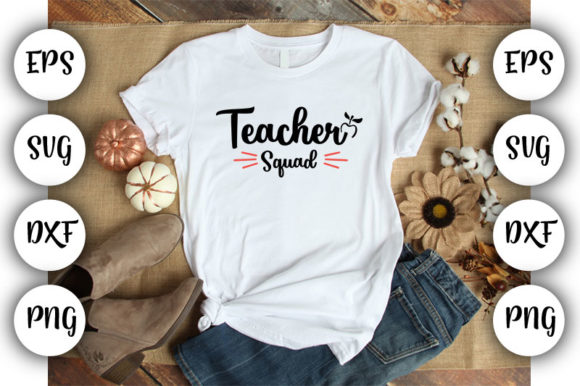
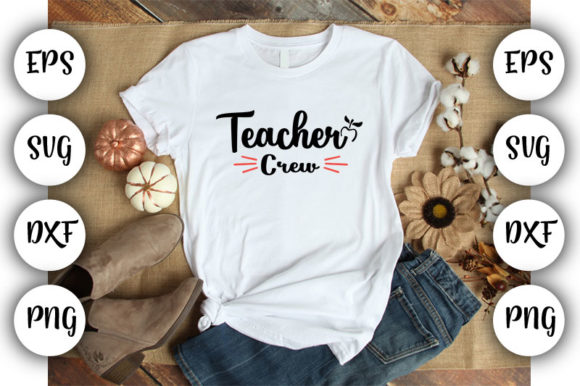
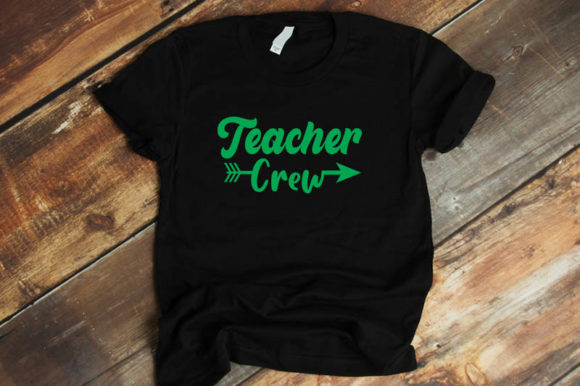
The first thing that strikes me about Teacher Design Teacher Crew is its thematic clarity. It captures that specific, spirited energy associated with educators—professional yet approachable, structured but fun. The layout feels balanced, which is crucial when you are working within the circular constraints of an embroidery hoop. Unlike some overly complex illustrations that rely on gradients and shadows (things thread simply cannot do), this design appears to rely on strong shapes and clear lines. This is a good sign. In embroidery, simplicity often equals longevity. A design that looks good in black and white will almost always look good in color, because the structure is sound.
The mood here is celebratory. It is not stiff or corporate; it feels like something a teacher would proudly wear on a Friday or display in their classroom. For a small business owner or an Etsy seller, this emotional connection is what sells the product. Customers are not just buying a shirt; they are buying a sense of identity and community. The visual personality of Teacher Design Teacher Crew supports that narrative without needing excessive embellishment.
Real-World Application: The Sweatshirt Test
To truly test the viability of these graphics, I mentally walked through a common scenario: creating a custom embroidered sweatshirt for a school staff appreciation gift. Sweatshirts are tricky. They are thick, often textured, and can be difficult to hoop securely without proper technique. If I were using Teacher Design Teacher Crew for this project, I would be looking closely at the density of the fill areas.
For a garment like this, a heavy fill stitch can make the fabric stiff and uncomfortable against the skin. If the design has large solid blocks of color, I would consider breaking them up or using a lighter fill pattern to maintain the softness of the fleece. However, if the design relies more on outline work or running stitches, it would sit beautifully on the chest area of a crewneck. The key is balance. A design that is too dense will weigh down the neckline, causing the garment to hang awkwardly. Based on the clean lines typical of this style of T-Shirt Designs, I suspect it would perform well on mid-weight cotton blends, provided the stabilizer choice is correct.
Versatility Across Product Lines
Beyond apparel, I see strong potential for Teacher Design Teacher Crew in home goods and accessories. Imagine this design stitched onto a canvas tote bag. Tote bags are durable and flat, making them ideal for embroidery. The sturdy fabric can handle higher stitch density, allowing the colors to pop without distortion. This could be a fantastic item for a craft fair or a boutique shop product, especially during back-to-school season or end-of-year teacher appreciation weeks.
I also considered its use on caps. Embroidering on curved surfaces requires a different mindset. The design needs to be narrow enough to fit the front panel without wrapping around the sides, which can cause registration issues. If Teacher Design Teacher Crew has a compact vertical orientation, it could work wonderfully on a dad hat or a structured cap. However, if the design is wide, it might need to be scaled down, which brings us to the issue of detail loss. Tiny elements that look crisp on a screen can vanish when stitched at a smaller size. This is where checking the SVG and DXF files becomes essential, as vector formats allow you to inspect the nodes and paths before converting them for your machine.
Technical Considerations for Stitching
When working with any new embroidery file, technical due diligence is non-negotiable. Here are the practical steps I take before committing to a final product:
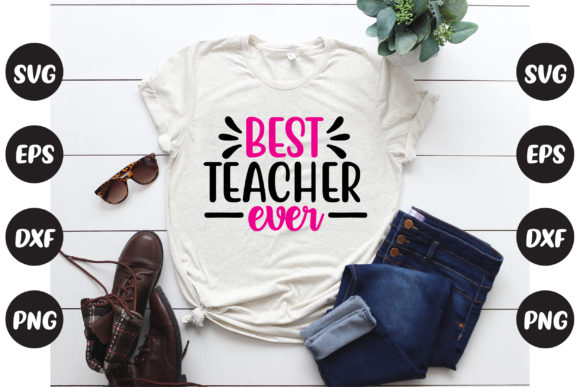
- Check the Formats: You will receive SVG, DXF, EPS, and PNG formats. Note that these are primarily graphic formats, not native machine embroidery files like PES or DST. This means you will likely need to digitize the design yourself or use software to convert these vectors into stitch files. This is actually a benefit for experienced designers, as it gives you full control over stitch types, direction, and density.
- Stabilizer Selection: For knit fabrics like t-shirts, a cut-away stabilizer is usually best to prevent stretching. For woven fabrics like tote bags or aprons, a tear-away might suffice. Always test on scrap fabric first.
- Thread Color Contrast: Review the design in high-contrast scenarios. If you are stitching on a dark navy shirt, ensure the design elements are light enough to stand out. Conversely, avoid using white thread on white fabric unless you are going for a subtle, tonal look.
- Hoop Size: Confirm that the design fits within your standard hoops (4x4, 5x7, or 6x10). Scaling a design up too much can expose low-resolution artifacts if the original PNG is not high quality, though the vector formats should scale infinitely without loss.
Navigating Potential Pitfalls
While Teacher Design Teacher Crew shows promise, there are areas where caution is needed. If the design includes very fine lettering or intricate corners, these can be problematic on stretchy fabrics. Thread has thickness, and sharp angles can bunch up. I recommend simplifying any tiny details if you plan to stitch on jersey knits. Additionally, be mindful of washability. Teachers are active; their clothes get washed frequently. Ensure that your stitch density is sufficient to hold up to laundering, but not so dense that it perforates the fabric over time.
Another consideration is the background. If you are using this as an applique design, you will need to account for the fabric edge. Applique can reduce stitch count and add texture, but it requires precise cutting and placement. If you are new to applique, stick to standard fill and satin stitches until you are comfortable with the workflow.
Commercial Value and Brand Consistency
For the Etsy seller or small shop owner, the ultimate question is: does this design add value? Yes, because it targets a specific, passionate niche. Teachers love to represent their profession with pride. A well-executed embroidered item feels premium compared to a printed vinyl transfer. It signals quality and effort. By using Teacher Design Teacher Crew to create handmade products, you are tapping into that desire for tangible, lasting quality.
However, professionalism is key. Your finished product must look clean. No loose threads, no puckering, and consistent tension. The design is only as good as its execution. Use these graphics as a foundation, but let your stitching skills be the selling point. Create printable mockups to show customers how the design looks on different colors, but always be transparent about the final stitched result.
Final Verdict
In conclusion, Teacher Design Teacher Crew is a versatile asset for designers who understand the nuances of embroidery. It is not a plug-and-play solution for beginners who expect instant machine files, but rather a robust set of graphics for those willing to put in the digitization work. Its strength lies in its thematic relevance and clean structural lines. Whether you are creating custom apparel, personalized gifts, or boutique merchandise, this design has the potential to perform well if treated with technical respect. Test it, tweak it, and stitch it with care, and you will likely find it becomes a staple in your seasonal collections.